Packaging for the Future: Sustainable Materials and Energy Efficiency in Dairy Products
Climate change and plastic pollution are forcing the dairy industry to undergo a fundamental transformation. By 2026, sustainable packaging will have evolved from a “corporate social responsibility” initiative into a legal requirement and an economic imperative. Producers are now seeking smart solutions that both protect the environment and reduce costs.
Next-Generation Materials and the Circular Economy
To reduce plastic waste, the industry is rapidly transitioning to paper-based composites, biodegradable plastics (PLA), and mono-material solutions. Paper and cardboard-based milk cartons are expected to grow by 3% annually by 2030.
The Advantage of Flexible Packaging: Flexible packaging in pouch and sachet formats uses fewer resources, is lighter, and reduces carbon emissions during transportation.
Recyclable Mono-Materials: Single-material alternatives to multi-layer plastics simplify recycling processes and contribute to the circular economy.
Biodegradable Solutions: Packaging made from agricultural waste that breaks down quickly in nature has begun to become standard in Western markets, particularly by 2026.
Energy Efficiency in Manufacturing
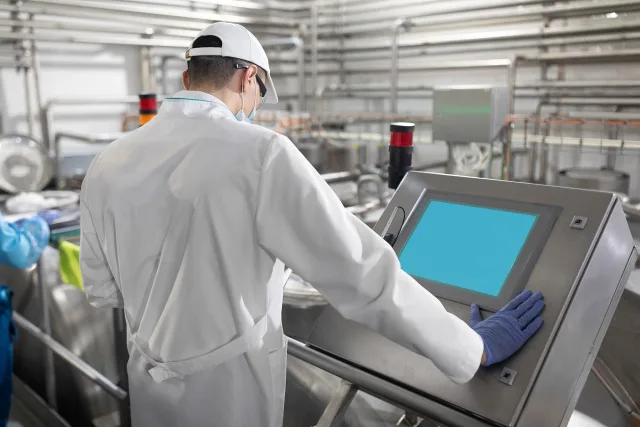
Sustainability isn’t limited to packaging; energy consumption in the manufacturing process is also a critical component of this equation. Ropak Automation’s implementations in Uzbekistan have demonstrated that modern automation can reduce energy consumption by 34%. Energy-efficient servo motors, optimized vacuum systems, and smart standby modes directly reduce a facility’s total carbon footprint.